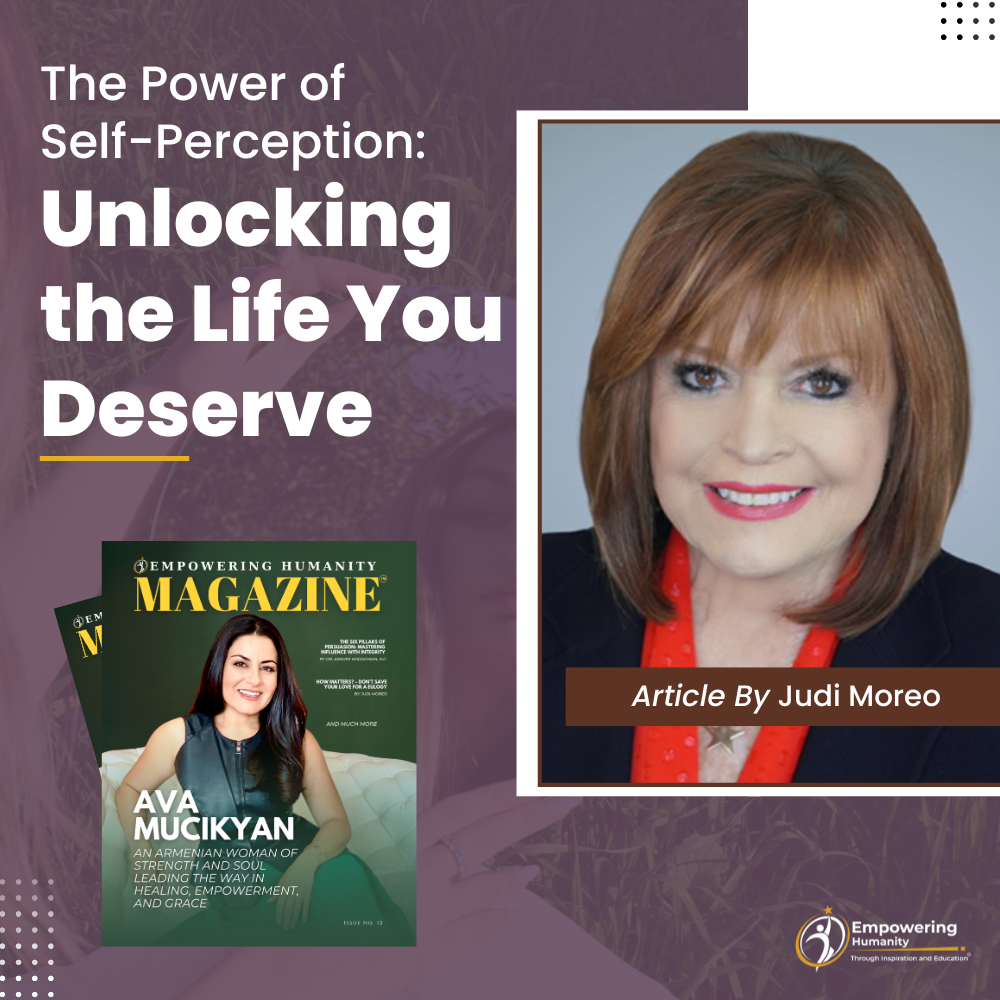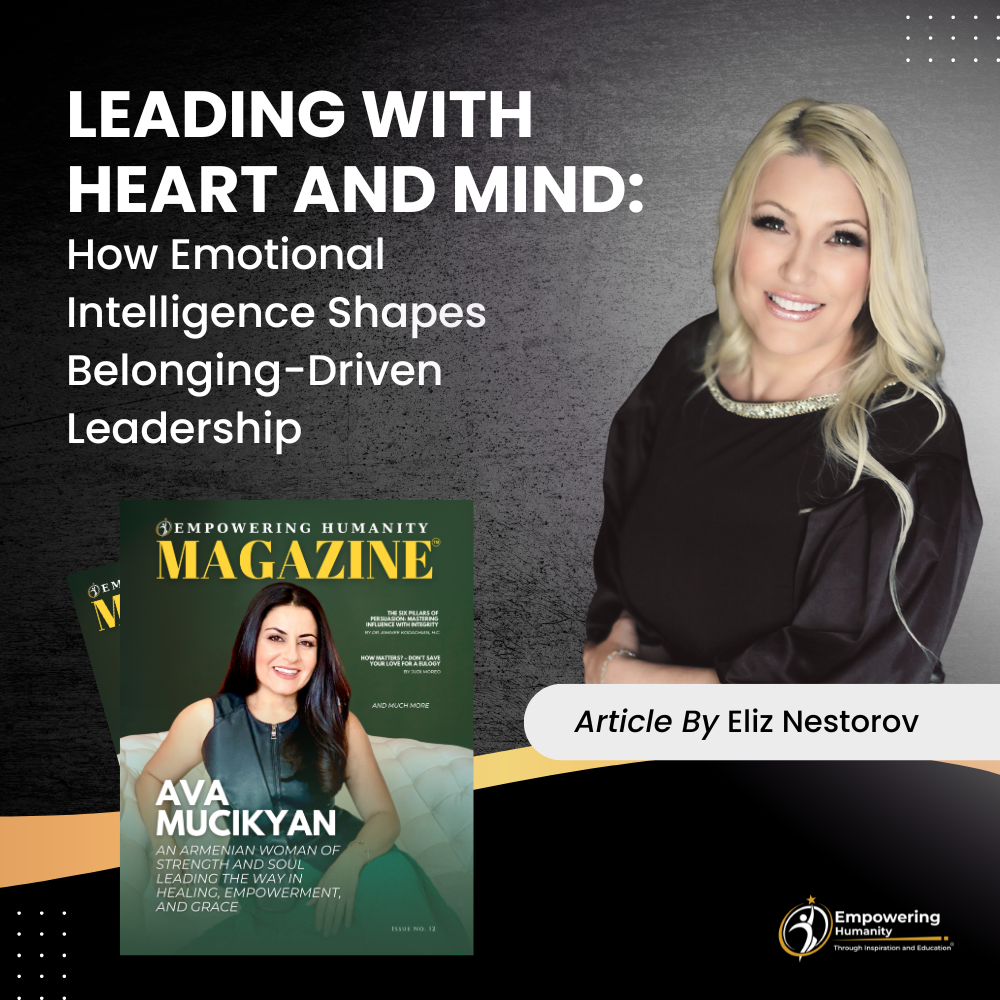
In today’s fast-paced world, people seek content that offers more than entertainment—they want guidance, insight, and inspiration. A Wisdom Magazine Online provides exactly that. It blends meaningful stories, practical insights, lifestyle guidance, and reflections on nature to help readers grow emotionally and intellectually. Empowering Humanity, through its digital platform, curates content that bridges wisdom and everyday life, encouraging readers to pause, reflect, and apply what they learn. In this blog, we explore how Wisdom Magazine Online nurtures personal growth, enhances emotional intelligence, and inspires a more mindful, purposeful life.
The Intersection of Emotional Intelligence and Personal Insight
Emotional intelligence is a critical skill in today’s interconnected world, and Wisdom Magazine Online helps readers cultivate it. Through thought-provoking articles, readers learn to identify and manage emotions, understand others’ perspectives, and build stronger relationships. For example, articles in Empowering Humanity Magazine often highlight how individuals overcame personal challenges, demonstrating empathy, resilience, and courage. By reflecting on these narratives, readers develop a deeper awareness of their own emotions and the emotions of those around them. This conscious engagement not only strengthens emotional intelligence but also equips readers to navigate life with greater clarity and compassion.
Lifestyle and Mindful Living Lessons
Beyond emotional growth, Wisdom Magazine Online offers practical insights into lifestyle and wellness. Topics like mindful routines, healthy habits, and self-care strategies help readers integrate wisdom into their daily lives. Empowering Humanity Magazine emphasizes a balance between mental clarity, physical wellness, and mindful decision-making. Articles might explore ways to manage stress, create productive routines, or harmonize professional and personal priorities. Through these stories and insights, readers are encouraged to live intentionally, aligning their choices with their values and fostering a life of purpose and balance.
Nature as a Source of Reflection and Wisdom
Many readers find inspiration in the natural world, and Wisdom Magazine Online incorporates this perspective to deepen self-awareness. Observing nature—whether through mindful walks, reflections on seasons, or ecological stories—offers lessons about patience, adaptability, and resilience. Empowering Humanity Magazine often features content that connects readers with nature’s rhythms, showing how observing simplicity, growth cycles, and natural beauty can enhance personal insight. By integrating nature-inspired reflection into everyday life, readers develop a stronger sense of grounding, mindfulness, and inner peace, which contributes to both emotional and intellectual growth.
Incorporating Beauty and Aesthetic Awareness
Beauty is not merely visual; it is experiential and transformative. A Wisdom Magazine Online encourages readers to notice and appreciate beauty in everyday moments, from art and music to simple acts of kindness. Empowering Humanity Magazine blends insights on aesthetic appreciation with lessons in mindfulness, gratitude, and emotional awareness. By fostering a habit of noticing beauty, readers can enhance their emotional resilience, find joy in simplicity, and approach life with renewed curiosity and optimism. This connection between beauty and personal growth helps create a richer, more fulfilling life experience.
Wisdom in Action: Applying Knowledge to Everyday Decisions
True wisdom is only meaningful when applied. A Wisdom Magazine Online guides readers to take practical lessons from stories and insights and incorporate them into decision-making. Empowering Humanity Magazine provides examples of people who transformed challenges into opportunities, applied critical thinking in complex situations, and used mindfulness to improve relationships. Readers learn strategies for problem-solving, conflict resolution, and self-improvement, reinforcing the idea that knowledge, reflection, and wisdom are tools for action, not just contemplation. Over time, these practices cultivate both intellectual maturity and emotional stability.
Conclusion
A Wisdom Magazine Online is more than a collection of articles; it is a guide to living with awareness, balance, and purpose. Empowering Humanity Magazine offers a unique blend of emotional insight, practical wisdom, lifestyle guidance, nature-inspired reflection, and aesthetic appreciation. By reading, reflecting, and applying these lessons, individuals can grow emotionally, think critically, and embrace life with intention. In a world overflowing with distractions, a digital wisdom platform provides clarity, inspiration, and guidance, helping readers navigate challenges, celebrate beauty, and cultivate a life of meaningful growth.